


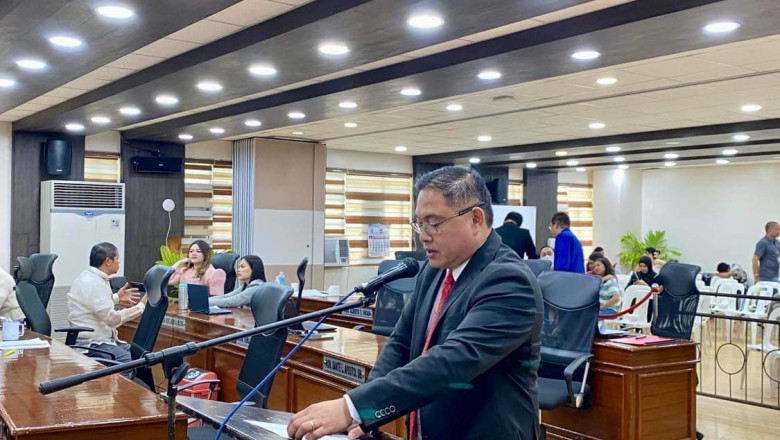

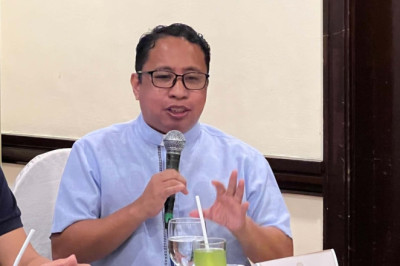
Ocampo in his privilege speech during Friday’s regular session (Dec. 1) of the 20th City Council shares his experiences and learnings during the training.
“First, we had a tour at the Waste to Energy (WTE) Plant. As I observed, their residual wastes are deposited into the plant for processing of the Waste to Energy. Pollution control is strictly implemented there through monitoring and ensuring that no harmful toxins are released into the environment since there are hundreds of residents nearby the plant, while thousands more live in a radius of 1-2 kilometers more or less.”
“Second, their waste segregation starts at the source. Wastes such as plastic, glass/bottles, aluminum, and residual are placed in four separate plastic bags and are collected in a schedule depending on the type of waste.”
He said school children in Kitakyushu are taught to take care of the environment and proper waste disposal in line with their Sustainable Development Goals (SDG). “This is something that amazed me in Kitakyushyu: how they make sure that at a young age, children are already taught on the importance of proper waste disposal.”
Ocampo believes on the importance of starting educating children at school about this matter to achieve proper and efficient waste management. By promoting a culture of waste consciousness, he said “we can significantly reduce the amount of garbage generated in Davao City.”
Ocampo also shared the Circular Economy which seeks to reduce pollution and resource scarcity by circulating materials within a closed-loop through various “R strategies” such as reuse, remanufacture, recycle, and refurbish.
Japan is among the first countries to develop Circular Economy policies. Efficient waste sorting facilities where segregated wastes are packed and delivered to different recycling facilities/companies for upscaling and new product development.
“The EcoTown which is a large area in Kitakyushu where different waste sorting and recycling companies are situated. This is also near the Waste to Energy (WTE) plant for easy access to residual waste after sorting,” he said.
Davao City, with a population of 1.6 million, has been generating an alarming amount of garbage per day, averaging up to 600 to 650 tons.
According to Ocampo, the figure remained consistent even after a year of battling the Covid-19 pandemic. Davao City Environment and Natural Resources Office (Cenro) said the city's garbage volume reached about 620 tons in March 2021 alone.
“This mounting waste, if disregarded, will have far-reaching consequences threatening not only our environment but also our health and well-being. Thus, we must take immediate action to implement effective waste management strategies,” Ocampo said.
Ocampo admitted that despite the city’s Solid Waste Management Ordinance, waste segregation at source is still a problem. However, he said he hopes to address this matter during the Barangay Solid Waste Management Summit this month.
The summit aims to re-educate Davaoeños on proper waste disposal through an aggressive Information Education and Communication (IEC) Campaign.
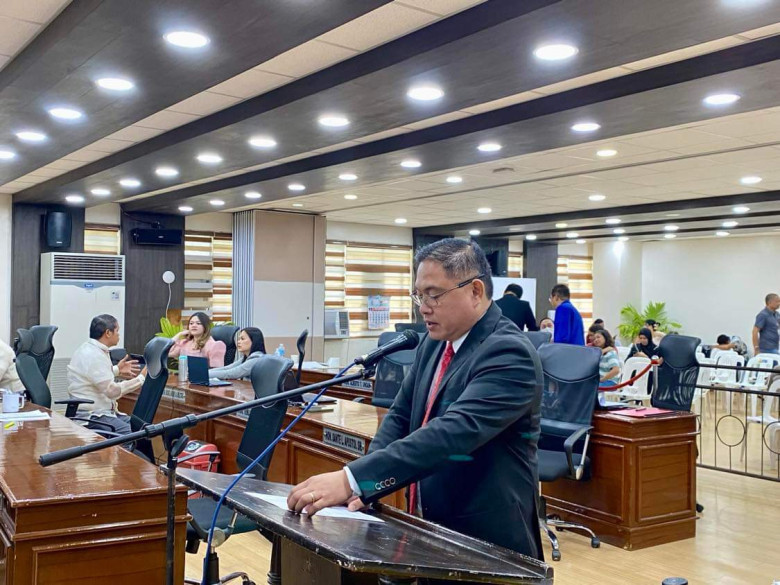 Councilor Temujin “Tek” Ocampo





Facebook Conversations