


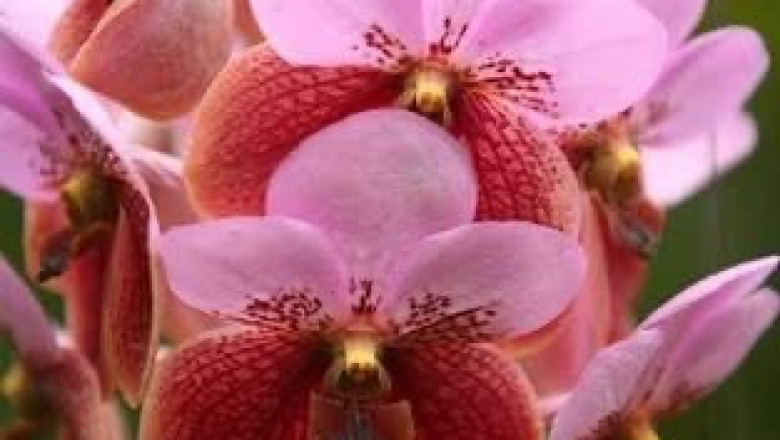

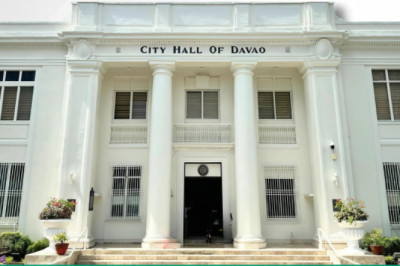
Speaking at the I-Speak media forum on Thursday (July 28) at Davao City Hall, Haspe said that even the city’s symbolic icon flower, the Waling-Waling, has also been dwindling in number as flower growers have shifted to more profitable markets like that of the cacao industry.
City Information Office (CIO) in its report said the market price of cut-flowers, such as orchids, is not as attractive as the prices of other produce like cacao beans and corn.
“In our monitoring, farmers that engage in the industry are very limited. One of the reasons for this is the shift to other industries because the market is not that attractive anymore. But we still have to preserve it because this is what we take pride in, especially the Waling-Waling in Davao City,” Haspe said.
Haspe, however, said the flower market continues to thrive with the introduction of new species. He said that during the pandemic, Dabawenyos went into gardening, and in turn introduced new varieties of ornamental plants and flowers.
“There are a number of new varieties or species of plants that entered the city because of the ‘plantitos’ and ‘plantitas’. Unlike before when cut-flowers were on trend; that is where our orchids area,”Haspe said.
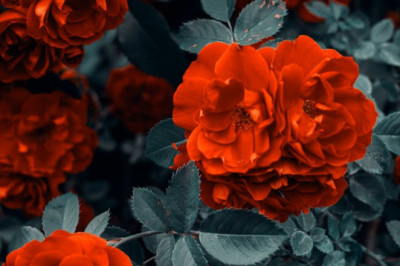
He said the city’s production of roses remains strong as the flower’s popularity continues.
“One of the flower varieties that remain strong is our roses. We have them here in Tugbok, Calinan and some parts of Toril,” he said.
Haspe said his office is planning to include flower-growers into their training programs to preserve the endemic cut-flowers in the city.
The office’s training program provides farmers with technical and skills education on the latest farming technologies.
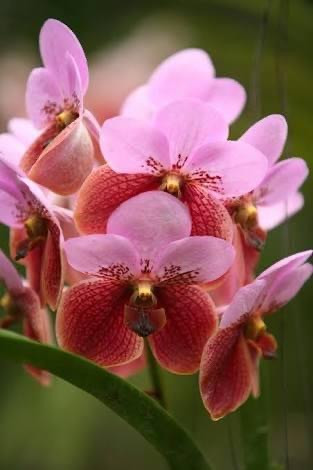 Photo from Flaura and Fauna










Facebook Conversations