


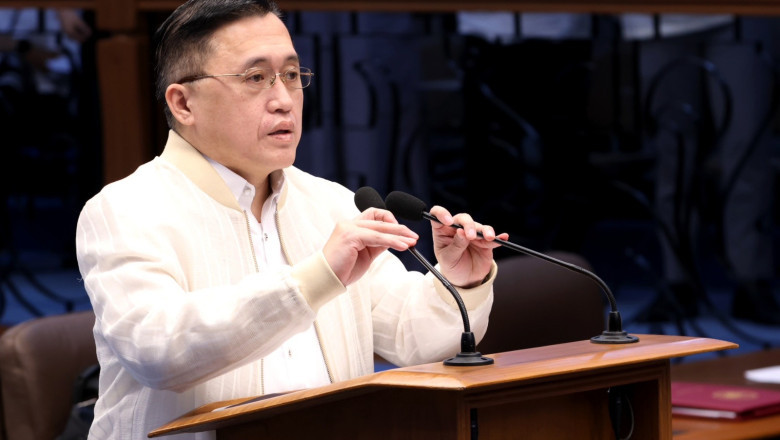

The proposed GIDA Schools Act seeks to institutionalize targeted interventions for public schools located in remote communities that continue to face barriers such as limited infrastructure, lack of electricity, difficult terrain, and inadequate access to basic services. These conditions have long affected the quality of education and learning outcomes among students in so-called last-mile schools.
“Hindi dapat hadlang ang layo ng lugar para makapag-aral ang ating mga kabataan. Responsibilidad natin na ilapit ang serbisyo, lalo na ang edukasyon, sa mga komunidad na matagal nang napag-iiwanan,” Go said, who is also chairman of the Senate Committee on Youth.
The measure provides for the establishment of a national mapping system to identify and monitor GIDA schools, allowing for more targeted planning and allocation of resources. It also includes a provision ensuring that learners have access to a school within a three-kilometer walking distance, with transportation assistance to be provided when necessary.
SBN 1937 adopts a coordinated approach among relevant agencies to address infrastructure gaps, including the construction of access roads, the provision of electricity, and the expansion of internet connectivity in underserved areas. It also mandates the development of school facilities that are resilient to disasters and responsive to local conditions.
Go emphasized the importance of supporting teachers assigned to these areas, citing the need for incentives such as hardship allowances, housing assistance, and opportunities for professional growth.
“Alam nating may mga guro na nagsasakripisyo para makarating sa mga liblib na lugar. Dapat lang na mabigyan sila ng sapat na suporta at pagkilala sa kanilang serbisyo,” he stated.
The bill also encourages the hiring of local educators and the integration of Indigenous Knowledge Systems and Practices into the curriculum to ensure that education remains relevant to the communities being served.
Data cited during Senate deliberations showed that a significant portion of students in GIDA schools fall below minimum proficiency levels, highlighting the need for sustained and focused interventions.
Go reiterated that addressing disparities in education requires prioritizing those who have long been underserved.
“Kung nais nating itaas ang kalidad ng edukasyon sa bansa, kailangan nating simulan sa mga lugar na higit na nangangailangan. Walang dapat maiwan pagdating sa edukasyon,” he added.
 Senator Bong Go










Facebook Conversations