


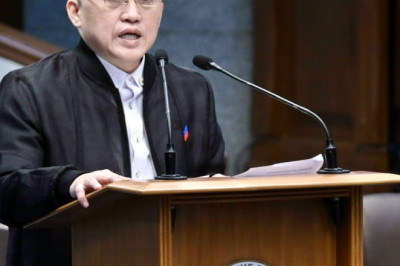
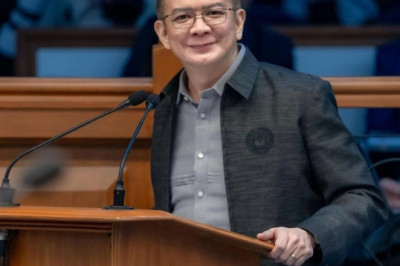
Speaking during the bicameral meeting on the disagreeing provisions on House Bill No. 4058, Go underscored the consequences of these fiscal decisions on patients, hospitals, and healthcare workers, while reiterating his long-standing call for transparency and public participation in the budget process.
“As you all know, I had my reservations on the bicam report of the 2025 budget. In fact, I did not sign the bicam report last year. Particularly, I am saddened by the zero budget given to PhilHealth,” Go said.
He framed the situation as a compounded blow to the country’s public health insurer, drawing from his experience conducting multiple hearings related to healthcare financing and benefit delivery.
“Kumbaga, double whammy po itong nangyari sa PhilHealth, at alam ko po ‘yan dahil noong 2024 nagkaroon po ako ng 14 hearings, including ‘yung para sa health emergency allowances ng mga healthcare workers. Doon natin nakita na kulang talaga ‘yung counterpart ng PhilHealth sa kanilang mga pasyente. Tama ‘yung sinabi mo kanina na napakaliit pa ng case rates sa kanila,” he explained, recalling the time he was still chairing the Senate Health Committee.
Go recounted how PhilHealth’s own actions in late 2024 demonstrated that higher case rates were feasible if decisive action had been taken earlier in the year. He pointed out that the belated increase only occurred after controversy had already erupted.
“In fact, noong nagkagulo na, noong Disyembre 2024, nagkaroon sila ng board meeting. Tinaasan nila, sa ilang araw lang ng board meeting, tinaasan nila ‘yung case rates. E kaya pala nilang taasan ‘yung case rates sa ilang araw, Disyembre. Kung ginawa nila ‘yon noong Enero pa lang, tinaasan ‘yung case rates, wala sana silang excess funds na wawalisin ng national treasury,” Go said.
He traced the sequence of events that followed, noting that the transfer of funds by the national treasury triggered alarm and eventually led to legal challenges.
“Noong winalis ng national treasury noong July, doon tayo nagkaroon ng hearing. Doon tayo naalarma at may nag-file sa Supreme Court. Salamat at finally, nadesisyunan po,” he added.
Now as Vice Chair of the Senate Health Committee as well as the Senate Finance Committee, Go described that episode as concluded but emphasized that its repercussions continue to shape the current budget debate. “Anyway, tapos na po ‘yon. That’s water under the bridge. Ang problema ngayon, nagdesisyon po ang Supreme Court na ibalik po ‘yung pondo na PhP60 billion. Refund po ito, ibig sabihin dapat sana’y magamit kaagad ito,” he said.
He questioned the decision to appropriate the refunded amount only in the 2026 budget cycle, pointing to the vacuum created by PhilHealth’s zero allocation in 2025.
“Eh ginawa pong appropriation na sa 2026. How about the 2025 na zero? Ilan po kayang mga pasyente ang na-deprive po dahil d’yan sa zero budget po ng PhilHealth noong 2025?” Go asked.
This unresolved gap, he said, was a central reason for his refusal to sign the last bicameral report.
“Kaya po isa sa dahilan na hindi po ako pumirma noong 2025. Maybe ma-address po ito ng bicam. Papaano po ‘yung double whammy na ‘yon? PhP60 billion ibabalik sa 2026, how about na-zero noong 2025?” he said.
Go ended his manifestation by reiterating that budget decisions must ultimately be judged by their consequences for ordinary Filipinos who rely on PhilHealth coverage during moments of illness and medical crisis.





Facebook Conversations